
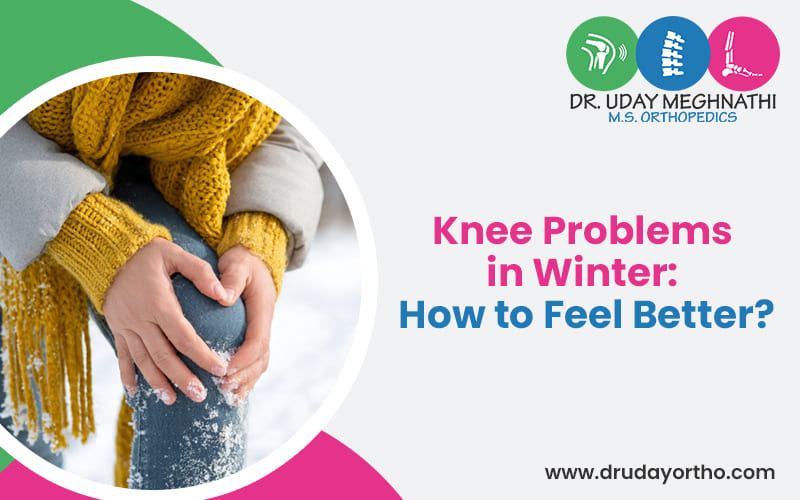
As the temperature drops, people often experience knee pain and stiffness. Especially aged population often reports knee joint pain and restricted movement. Why does this happen so often in winter? Does it only affect the elderly? In this blog, we will read through some of the common knee problems in winter and how to feel better. Understanding why this happens and adopting remedies can help you manage pain and spend a pain-free winter.
Why Does The Cold Weather Cause Knee Pain?
The cold weather brings a lot of changes to the body, which can lead to joint issues. If you are also facing such issues with joints, especially knees, visit the most trusted knee specialist in Vadodara. Dr. Uday Meghnathi is an orthopedic doctor with significant experience. He has helped many patients in managing knees and joints in winters. He uses a combination of therapies and medications to deal with the pain without invasion. However, knee replacement surgery is also recommended in severe cases such as arthritis. To discuss the treatment approach, book an appointment.
Some of the reasons for knee Pain in Winters are:
➤ The blood vessels shrink/contract in the winter, resulting in slow blood flow. Less blood flow to the joints leads to less warmth. This coldness leads to stiffness and discomfort.
➤ The muscles contract in winter and put pressure on the joints.
➤ Winters cause changes in the barometric pressure, which causes the tissues around the joints to expand and cause distress.
➤ People tend to move less during winters which worsens the situation.
Also Read: Conditions Treated with Hip Arthroscopy
Tips to Manage Joint Problems in Winters
➤ Stay Active: Follow a strict routine of exercising and stay active. Opt for the knee relief exercises such as low-impact cardio, strength training, and stretching. Focus on strengthening the quadriceps, hamstrings, and calves to support the knee joints. Gentle stretching can improve flexibility and reduce pain.
➤ Keep the Joints Warm: Wear complete thermal clothing, knee warmers, or compression sleeves to keep the knees warm.
➤ Maintain a Healthy Weight: It is necessary to maintain a healthy weight to reduce the pressure on knee joints. Integrate healthy and anti-inflammatory foods into your diet.
➤ Stay Hydrated: Proper hydration results in well-lubricated joints. Therefore, it is important to drink water and avoid dehydration in winter.
➤ Physiotherapy: If knee pain persists, you must seek certified physical therapy from a renowned physiotherapist.
Looking for Expert Help? We Are Here To Help You!
We are a top orthopedic hospital in Vadodara with exceptional services in fracture management, sports injury, joint replacement, pediatric orthopedics, and chronic disease management. Our clinic is fully equipped with modern therapeutic equipment and technologies to provide precise and adequate treatment to our patients. After the treatment, we also provide recovery support for a positive patient outcome. Give us a call and book an appointment with our specialist.
Also Read: What Exactly Does an Orthopedic Doctor Do?
Frequently Asked Questions (FAQ)
Cold weather can tighten your muscles, soft tissues, and bones. This results in inflexibility and discomfort.
For knee pain relief, low-impact exercises, gentle stretching, and brisk walk is perfect.
You can keep your joints warm by wearing knee warmers, thermals, and staying indoors during windy winters.
If you consistently face pain and discomfort in the knees or any joints, you must search for an orthopedic doctor in Sevasi near me and visit them.