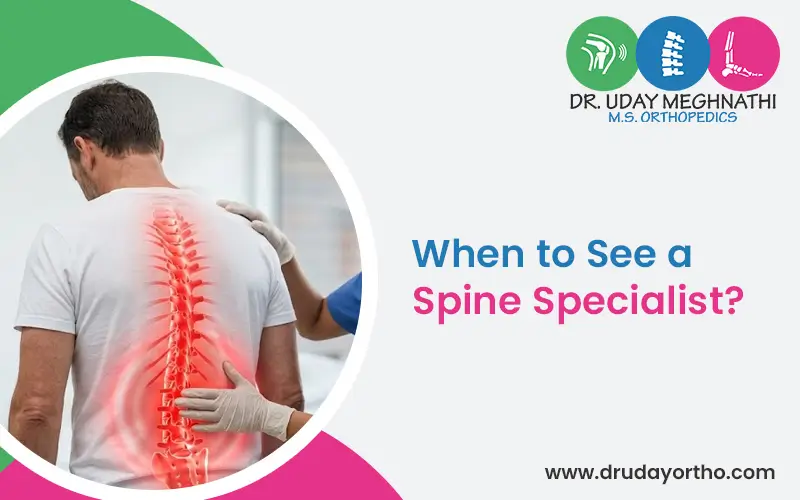
Back and spine pain has become a common issue that many people experience. Stressful lifestyle, long sitting hours, poor posture or minor muscle strain can often result in severe back pain and other spinal problems that require expert medical attention. Knowing when to visit a spine specialist is very important. Delaying consultation can make your problems worse and affect your overall well-being. Dr.Uday Meghnathi is a top orthopedic doctor specializing in spine issues. Over the years, patients have received holistic care, supported by modern treatment facilities at his clinic. Consulting with an expert spine specialist can help ensure early diagnosis, proper treatment, and faster recovery.
Understanding the Spine & Role of a Spine Specialist
The spine is a complex structure made up of bones, discs, nerves, muscles, and ligaments that work together to support the body and allow movement. When any part of this system becomes damaged or inflamed, it can affect mobility and overall quality of life. It is important to recognize when simple back pain becomes something more serious. This is when the role of an experienced spine specialist in Vadodara begins.
A spine specialist is a doctor who focuses on diagnosing and treating conditions affecting the spine, back, and neck. These specialists may be orthopedic surgeons or neurosurgeons with advanced training in spinal disorders.
These specialists treat a wide range of conditions, including:
➤ Herniated or slipped discs
➤ Degenerative disc disease
➤ Spinal stenosis
➤ Sciatica
➤ Spine injuries or fractures
➤ Chronic back and neck pain
➤ Spinal deformities such as scoliosis
Common Causes of Spine Problems
Spinal pain can develop for many reasons. Some of the most common causes include:
➤ Poor Posture and Lifestyle Habits: Modern lifestyles often involve long hours of sitting, working on computers, or using smartphones. Poor posture can place excessive strain on the spine and lead to chronic discomfort.
➤ Degenerative Conditions: As people age, the discs and joints in the spine naturally wear down. This can lead to conditions such as arthritis of the spine or degenerative disc disease.
➤ Herniated or Slipped Disc: A slipped disc occurs when the soft cushion between the spinal bones moves out of place and presses on nearby nerves. This often causes severe pain and nerve-related symptoms.
➤ Injuries and Accidents: Falls, sports injuries, or road accidents can cause spinal injuries that require specialized evaluation and treatment.
➤ Nerve Compression: Conditions like sciatica or spinal stenosis occur when nerves in the spine become compressed, leading to pain, numbness, or weakness.
While mild back pain is common, certain symptoms indicate the need for an orthopedic near me Vadodara consultation:
1. Persistent Back or Neck Pain
If your pain lasts longer than a few weeks and does not improve with rest, it may indicate an underlying spinal condition that requires medical evaluation.
2. Pain That Radiates to the Arms or Legs
Pain that travels down the arms or legs may be a sign that a nerve in the spine is compressed. For example, sciatica often causes pain that spreads from the lower back down to the leg.
3. Numbness, Tingling, or Weakness
Nerve-related symptoms such as numbness, tingling, or muscle weakness in the arms, legs, or hands should not be ignored. These symptoms can indicate nerve irritation or compression.
4. Difficulty Walking or Maintaining Balance
If spinal issues affect the nerves that control movement, they can lead to balance problems or difficulty walking.
5. Pain After an Injury
Back or neck pain following a fall, accident, or sports injury should always be evaluated by a medical professional to rule out serious spinal damage.
6. Limited Mobility
If pain makes it difficult to bend, twist, or move normally, it may be time to seek expert evaluation.
Treatment Options for Spine Conditions
According to a spine surgeon in Vadodara, not all spinal conditions require surgery. In fact, many patients improve with non-surgical treatments.
Non-Surgical Treatments
Depending on the diagnosis, treatment may include:
- Physical therapy and exercises
- Pain management medications
- Posture correction and lifestyle modifications
- Anti-inflammatory treatments
- Injection therapies for nerve pain
These treatments aim to relieve pain, improve mobility, and support long-term spinal health.
Surgical Treatment
In cases where conservative treatments do not provide relief, surgery may be recommended. Spine Surgical procedures may help relieve nerve compression, stabilize the spine, or repair damaged discs. An orthopedic surgeon in Vadodara will only recommend surgery when it is the most effective solution for the patient’s condition.
Tips to Maintain a Healthy Spine
Maintaining spinal health can help prevent many common back problems. Simple habits such as maintaining good posture, exercising regularly, and avoiding prolonged sitting can protect the spine from unnecessary strain.
Other helpful practices include:
- Maintaining a healthy body weight
- Using proper lifting techniques
- Stretching regularly
- Strengthening core muscles
- Taking breaks from long sitting periods
When to Consult Dr. Uday Meghnathi
If you are experiencing persistent back pain, neck discomfort, or symptoms related to spinal nerve compression, consulting a specialist can help you get the right diagnosis and treatment. Dr. Uday Meghnathi, the best orthopedic doctor in Baroda, provides expert evaluation and treatment for spine and joint conditions. Early medical attention can help prevent complications and improve recovery outcomes. Whether your symptoms involve chronic back pain, slipped disc, nerve pain, or spinal injuries, a proper medical assessment can help determine the most effective treatment plan. To book an appointment, call today.
Frequently Asked Questions (FAQ)
When should I consult a spine specialist?
You should consider consulting a spine specialist if your back or neck pain lasts more than a few weeks, keeps returning, or starts affecting your daily activities. Symptoms such as pain spreading to the arms or legs, numbness, tingling, or weakness may indicate nerve involvement and should be evaluated by a specialist.
Can a spine specialist treat back pain without surgery?
Yes, many spine conditions can be treated without surgery. Spine specialists often recommend physiotherapy, medications, lifestyle changes, posture correction, and targeted exercises before considering surgical options. Surgery is usually recommended only in severe cases.
What conditions does Dr. Uday Meghnathi treat?
As the best spine surgeon in Vadodara, Dr. Uday Meghnathi provides diagnosis and treatment for a wide range of spine and orthopedic conditions, including:
- Chronic back pain
- Neck pain
- Slipped or herniated disc
- Sciatica
- Spinal injuries
- Degenerative spine conditions
Treatment plans are designed based on the patient’s condition and may include non-surgical therapies or advanced orthopedic care when required.