
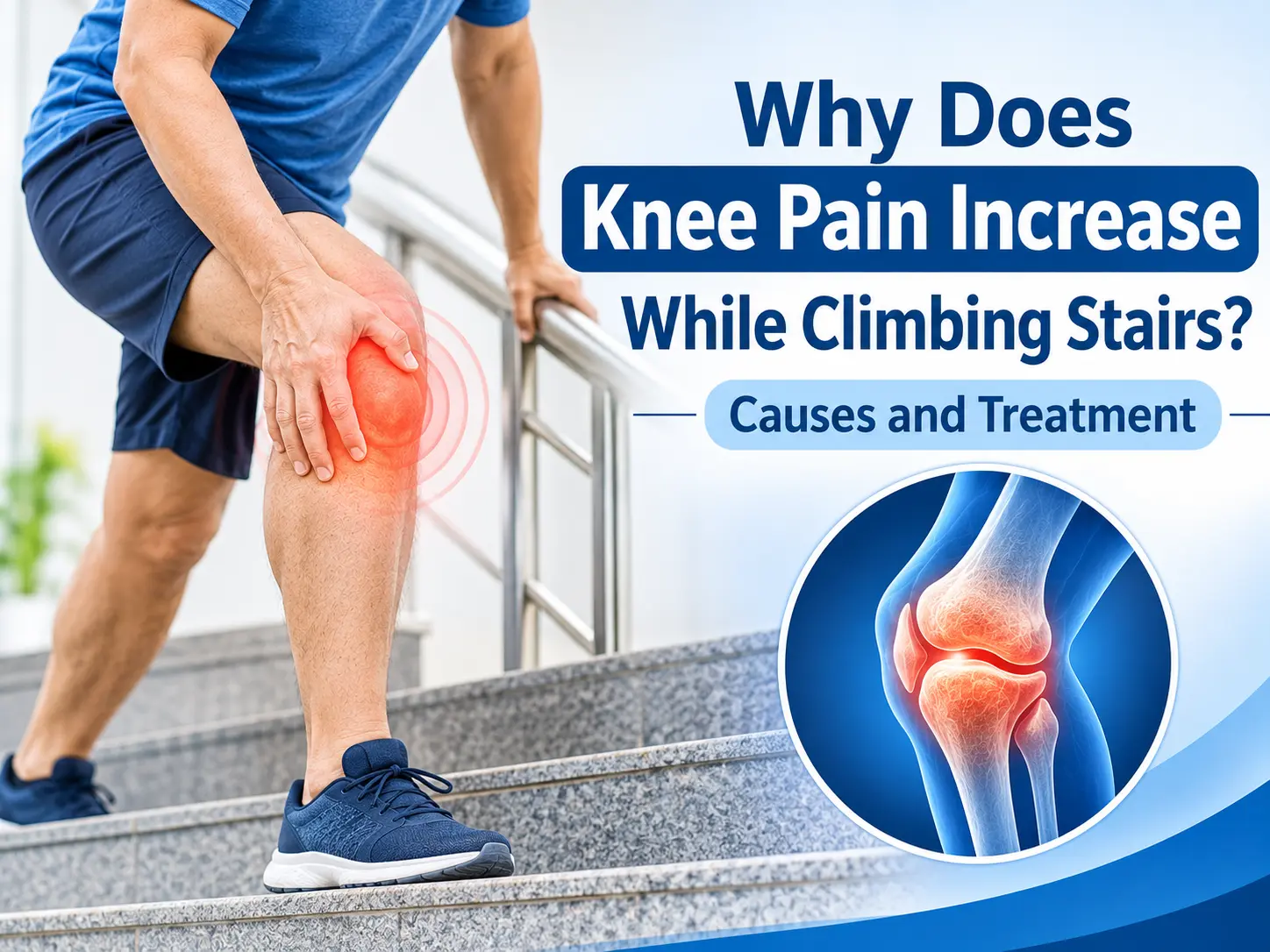
Knee pain is a common problem that can affect people of different age groups. Many people notice that their knee pain becomes worse while climbing stairs, walking uphill, standing for long periods or getting up from a chair. These activities put additional pressure on the knee joint and may cause discomfort when the joint structures are affected.
Knee pain while climbing stairs can be associated with several conditions, including arthritis, cartilage damage, muscle weakness and kneecap-related problems. The discomfort may begin gradually and become more noticeable over time. Understanding the underlying cause is important for choosing the right treatment. Dr. Uday Meghnathi, Consultant Orthopedic Trauma and Joint Replacement Surgeon in Vadodara, provides evaluation and personalised treatment planning for patients experiencing knee pain and joint-related problems.
Why Does Climbing Stairs Put Extra Pressure on the Knees?
Climbing stairs requires the knee to bend while supporting a significant portion of the body’s weight. The muscles around the knee work harder to lift and stabilise the body during each step.
When climbing stairs, the kneecap moves along the thigh bone, and the surrounding cartilage helps reduce friction between joint surfaces. If the cartilage is damaged, the muscles are weak or the joint is affected by arthritis, this movement may become painful. Going downstairs can also increase knee discomfort because the muscles must control the body’s downward movement. This can place additional stress on the kneecap and surrounding structures.
Therefore, knee pain during stair climbing may indicate an underlying joint or muscle-related problem that needs proper evaluation.
Common Causes of Knee Pain While Climbing Stairs
Several conditions can contribute to knee pain during stair climbing. Identifying the cause helps determine the most appropriate treatment.
Knee Osteoarthritis
Osteoarthritis occurs when the protective cartilage inside the knee gradually wears down. This can lead to pain, stiffness and reduced joint movement, particularly during activities such as climbing stairs.
Patellofemoral Pain Syndrome
This condition involves pain around or behind the kneecap. It may develop due to muscle imbalance, overuse or changes in kneecap movement. Pain often becomes noticeable while climbing or descending stairs.
Muscle Weakness
Weakness in the quadriceps and hip muscles can affect knee stability. When these muscles do not provide adequate support, additional stress may be placed on the knee joint.
Meniscus Injury
The meniscus is a cartilage structure that helps absorb pressure inside the knee. A tear may cause pain, swelling, stiffness or difficulty bending the knee.
Ligament Injuries
Injuries involving the knee ligaments can affect joint stability. Patients may experience pain, swelling or difficulty performing activities that require bending and supporting body weight.
4. Early Signs and Symptoms of Knee Problems
Knee problems may develop gradually, and early symptoms should not be ignored. Recognising these signs can help patients seek timely medical attention.
Common symptoms include:
- Pain while climbing or descending stairs.
- Stiffness after sitting for a long time.
- Swelling around the knee joint.
- Difficulty bending or straightening the knee.
- Pain while standing or walking for extended periods.
- A clicking or grinding sensation during movement.
- Weakness or a feeling of instability in the knee.
Some patients may experience mild discomfort initially, while others may develop persistent pain that affects everyday activities.
Common Knee Conditions That Cause Pain on Stairs
Apart from general joint problems, certain medical conditions can specifically affect knee movement during stair climbing.
Patellar Tendinitis
This condition involves irritation of the tendon connecting the kneecap to the shinbone. It is commonly associated with repetitive jumping, running and physical activities.
Chondromalacia Patella
This condition involves damage or softening of the cartilage underneath the kneecap. It may cause pain when bending the knee, particularly while climbing stairs or squatting.
Knee Bursitis
Bursae are small fluid-filled sacs that help reduce friction around joints. Inflammation of these structures can cause swelling, tenderness and discomfort around the knee.
Inflammatory Arthritis
Certain inflammatory joint conditions can cause swelling, stiffness and pain in the knee. Symptoms may become more noticeable after periods of inactivity. A proper clinical examination helps distinguish between these conditions and identify the source of discomfort.
How Is Knee Pain Diagnosed?
Accurate diagnosis is important before starting any knee pain treatment. An orthopedic specialist generally begins by understanding the patient’s symptoms, medical history and daily activity levels.
During the physical examination, the doctor may assess:
- Location and severity of knee pain.
- Knee movement and flexibility.
- Joint swelling and tenderness.
- Muscle strength and joint stability.
- Walking pattern and functional movement.
Depending on the findings, imaging tests may be recommended.
X-rays: Help identify joint space reduction, bone changes and signs of osteoarthritis.
MRI: Provides detailed images of soft tissues, including cartilage, ligaments and meniscus structures.
Blood Tests: May be advised when an inflammatory condition or another underlying medical problem is suspected. The diagnosis helps the doctor understand the severity of the condition and recommend an appropriate treatment plan.
Treatment Options for Knee Pain While Climbing Stairs
Knee pain treatment depends on the underlying condition, severity of symptoms, joint health and the patient’s activity requirements. Not every knee problem requires surgery. Many patients can manage their symptoms through non-surgical treatment.
Medication
Doctors may recommend suitable medication to manage pain and inflammation. Medication should always be taken according to medical advice.
Physiotherapy
Physiotherapy helps improve muscle strength, joint flexibility and movement control. Specific exercises may reduce unnecessary pressure on the knee.
Activity Modification
Temporarily reducing activities that increase knee discomfort may help manage symptoms. Patients may also benefit from modifying exercise routines and avoiding excessive joint strain.
Supportive Measures
Depending on the condition, doctors may recommend appropriate supportive devices, weight management and other measures to reduce pressure on the knee joint.
Surgical Treatment
Surgery may be considered when there is significant structural damage or persistent pain that does not improve with appropriate non-surgical treatment. The right treatment approach should be based on individual clinical findings rather than symptoms alone.
Role of Physiotherapy and Knee Strengthening Exercises
Physiotherapy plays an important role in managing many types of knee problems. Weak muscles around the knee and hip can affect joint stability and increase discomfort during activities such as climbing stairs.
A physiotherapist may recommend exercises such as:
- Straight leg raises to strengthen the quadriceps.
- Gentle hamstring stretches to improve flexibility.
- Quadriceps strengthening exercises.
- Hip strengthening exercises.
- Controlled knee bending and movement exercises.
These exercises may help improve muscle support, movement control and everyday mobility. However, exercise selection and intensity should depend on the patient’s condition. Patients with severe pain or swelling should seek professional guidance before beginning a strengthening programme.
When Is Knee Replacement Surgery Required?
Knee replacement surgery may be recommended for patients with advanced knee arthritis or significant joint damage. It is generally considered when pain becomes persistent and starts affecting daily activities despite appropriate non-surgical treatment.
Common signs that may indicate the need for further evaluation include:
- Severe knee pain during walking or stair climbing.
- Difficulty standing up from a chair.
- Persistent swelling and stiffness.
- Reduced walking distance.
- Pain that affects sleep or everyday activities.
- Significant cartilage damage and joint space reduction.
During knee replacement surgery, damaged joint surfaces are replaced with artificial components to improve joint function and reduce pain. Patients considering treatment should consult an experienced orthopedic specialist. A Knee Replacement Doctor in Vadodara can assess the condition, review imaging findings and discuss whether surgery or continued non-surgical treatment is appropriate.
Tips to Reduce Knee Pain During Daily Activities
Simple changes in daily habits may help reduce discomfort and make movement more comfortable.
- Use the handrail while climbing or descending stairs.
- Avoid rushing when moving up or down steps.
- Wear comfortable footwear with proper support.
- Avoid prolonged standing if it increases knee discomfort.
- Maintain a healthy body weight to reduce joint pressure.
- Take breaks during activities that involve repetitive knee bending.
- Follow recommended physiotherapy and exercise routines.
Patients should avoid pushing through severe pain or continuing activities that significantly worsen their symptoms.
How to Prevent Knee Pain from Getting Worse
Although not all knee conditions can be prevented, certain habits may help maintain joint health and reduce unnecessary stress. Regular low-impact activities such as walking, swimming or cycling may help maintain muscle strength and joint movement when appropriate.
Maintaining a balanced diet, managing body weight and avoiding sudden increases in exercise intensity can also support knee health. People involved in sports or physically demanding activities should use proper techniques and allow sufficient recovery time between intense sessions. Early medical evaluation is particularly important when knee pain becomes frequent or starts interfering with routine activities.
When Should You Consult an Orthopedic Surgeon?
Occasional knee discomfort may improve with rest and activity modification. However, persistent or worsening symptoms require proper medical assessment.
You should consult an orthopedic specialist if you experience:
- Repeated knee pain while climbing stairs.
- Persistent swelling or stiffness.
- Difficulty walking or bending the knee.
- Knee instability or repeated episodes of giving way.
- Pain that interferes with daily activities.
- Reduced movement or difficulty standing for long periods.
Sudden severe pain, significant swelling after an injury or inability to bear weight requires prompt medical attention. Dr. Uday Meghnathi, Consultant Orthopedic Trauma and Joint Replacement Surgeon in Vadodara, evaluates knee pain, joint conditions, sports injuries and other orthopedic concerns. Treatment recommendations are based on the patient’s symptoms, clinical examination and diagnostic findings.
Conclusion
Knee pain while climbing stairs can develop due to arthritis, cartilage damage, muscle weakness and other joint-related conditions. Identifying the underlying cause through proper evaluation is important for selecting suitable treatment and preventing further difficulties with movement.
For patients looking for the Best orthopedic doctor In Vadodara, Dr. Uday Meghnathi, Consultant Orthopedic Trauma and Joint Replacement Surgeon, provides personalised evaluation and treatment planning for knee pain, joint conditions and orthopedic problems. Patients searching for a Knee replacement doctor In Vadodara can also seek guidance from Dr. Uday Meghnathi to understand available treatment options, including non-surgical care and knee replacement surgery when clinically indicated. Early assessment and appropriate treatment can help improve mobility and support better long-term joint health.
Read More: Best Treatment for Frozen Shoulder and Stiffness in Vadodara
Frequently Asked Questions
Q1. Why does my knee hurt more when climbing stairs?
Climbing stairs puts additional pressure on the knee joint and kneecap. Conditions such as osteoarthritis, cartilage damage, muscle weakness and patellofemoral pain syndrome may cause discomfort during this activity.
Q2. Is knee pain while climbing stairs a sign of arthritis?
It can be an early symptom of knee osteoarthritis, particularly when accompanied by stiffness, swelling and pain during walking. However, other conditions can also cause similar symptoms.
Q3. Can knee pain while climbing stairs improve without surgery?
Yes. Many knee conditions can be managed with medication, physiotherapy, activity modification and other non-surgical treatments. Surgery depends on the severity and underlying cause.
Q4. Which exercises help reduce knee pain?
Depending on the condition, quadriceps strengthening, straight leg raises, gentle stretching and hip strengthening exercises may help. Exercises should be selected with professional guidance.
Q5. When should I consider knee replacement surgery?
Knee replacement may be considered when advanced joint damage causes persistent pain and limits daily activities despite appropriate non-surgical treatment.